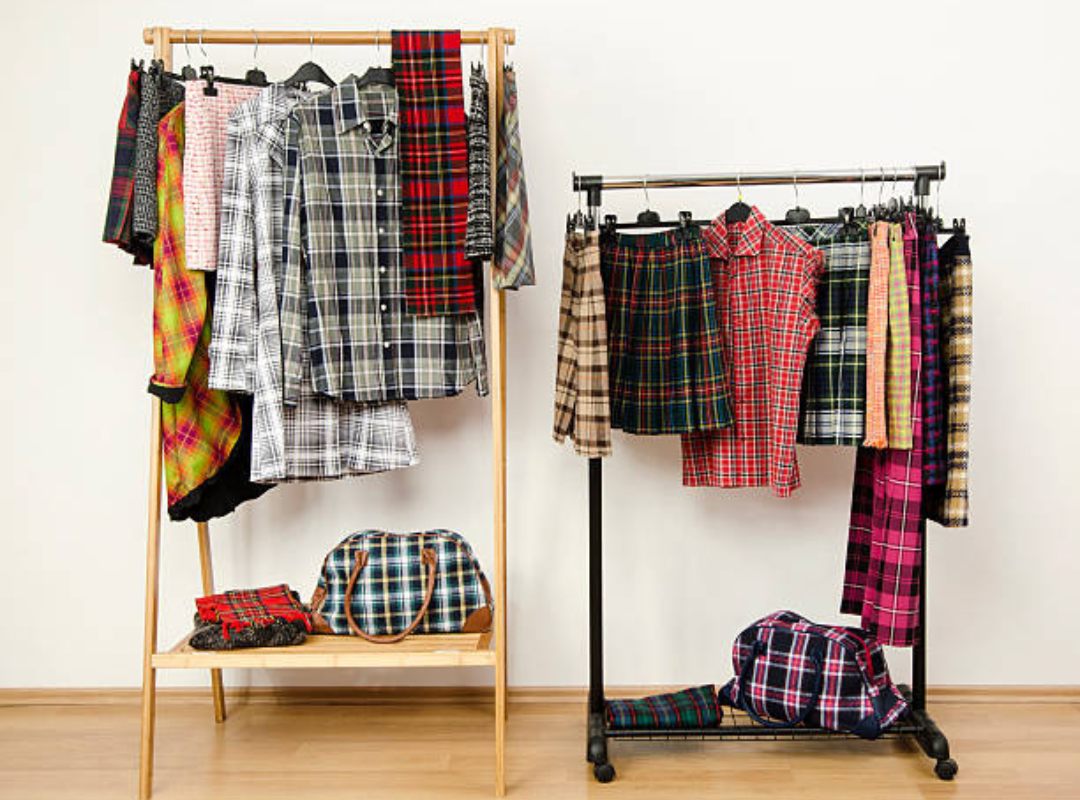
In today’s fashion landscape, blending heritage with contemporary style has become more than a trend—it’s a statement of identity. Many people want clothing that reflects culture while still fitting seamlessly into modern life, and this is where traditional kilts play a unique role. Once reserved mainly for ceremonial or cultural occasions, kilts are now being reimagined as versatile wardrobe staples. With thoughtful styling, they can move effortlessly from formal gatherings to relaxed social settings. Building a modern wardrobe around this iconic garment means understanding fabrics, proportions, and pairings, while respecting the history behind the attire. When done right, the result is a look that feels confident, personal, and timeless rather than costume-like.
Understanding Traditional Kilts in a Modern Context
To successfully style traditional kilts today, it helps to first understand what gives them their lasting appeal. At their core, kilts are about craftsmanship, symbolism, and practicality. The structured pleats, durable wool fabrics, and tartan patterns were originally designed for movement, weather resistance, and clan identity. In a modern wardrobe, these qualities translate into durability, visual depth, and individuality. Rather than viewing the kilt as a standalone historic piece, it should be treated as a foundational garment—much like tailored trousers or dark denim—around which the rest of the outfit is built with intention and balance.
Choosing Fabrics and Cuts for Traditional Kilts Today
Modern styling starts with choosing traditional kilts that suit present-day needs. Heavier tartans work beautifully for formal or colder settings, while lighter-weight materials offer flexibility for daily wear. Contemporary cuts often sit slightly higher on the waist, allowing for cleaner lines when paired with modern tops. Color selection also matters: muted or neutral tartans integrate more easily with modern wardrobes, while bold patterns can be reserved for statement looks. By focusing on fit and fabric quality, the kilt becomes less of a novelty and more of a reliable wardrobe anchor that supports multiple outfit combinations.
Pairing Tops with Traditional Kilts for Everyday Wear
One of the most effective ways to modernize traditional kilts is through thoughtful top selections. Crisp button-down shirts, fine-gauge sweaters, and even well-fitted polo shirts can all complement the structured silhouette of a kilt. Neutral tones like white, charcoal, or navy help ground patterned tartans, while textured fabrics add subtle interest. Layering is also key; combining shirts with lightweight knits or tailored waistcoats creates depth without overwhelming the look. The goal is balance—letting the kilt remain the focal point while the top pieces provide cohesion and contemporary polish.
Layering and Outerwear Choices That Elevate Traditional Kilts
Layering plays a crucial role in making traditional kilts adaptable to modern lifestyles. Jackets, coats, and structured outerwear can instantly shift the tone of an outfit from ceremonial to urban. Tailored blazers, minimalist coats, or heritage-inspired pieces all work when proportions are carefully considered. Brands like Kilt and Kilts often showcase how classic elements can be refined through modern tailoring, making it easier to integrate kilts into everyday wardrobes without losing authenticity. The right outer layer not only adds warmth but also frames the outfit, helping the kilt feel intentional rather than out of place.
Footwear and Accessories for a Modern Kilt Look
Accessories are often where tradition and modernity meet most naturally. Footwear, in particular, can redefine how traditional kilts are perceived. Leather brogues or boots provide a classic foundation, while minimalist sneakers can create a bold, contemporary contrast when styled carefully. Belts, sporrans, and subtle jewelry should enhance the outfit without overpowering it. Modern interpretations often favor cleaner lines and fewer embellishments, allowing the kilt’s texture and pattern to stand out. By selecting accessories thoughtfully, the overall look remains refined and wearable across different settings.
Balancing Formal and Casual with Traditional Kilts
Versatility is the key to building a wardrobe around traditional kilts. The same kilt can work for formal events or casual outings, depending on how it’s styled. For more polished occasions, structured layers and refined footwear bring sophistication, while relaxed tops and simpler accessories create a laid-back feel for everyday wear. Incorporating well-fitted kilt jackets into the rotation helps bridge the gap between tradition and modern tailoring, offering a sharp silhouette without feeling outdated. This adaptability makes kilts practical for modern wardrobes rather than limited to special occasions.
Making Traditional Kilts a Personal Style Statement
Ultimately, building a modern wardrobe around traditional kilts is about personal expression. Fashion today values individuality, and kilts offer a powerful way to stand out while honoring heritage. Whether styled with classic pieces or contemporary elements, the kilt becomes a reflection of confidence and cultural awareness. By understanding fit, layering intelligently, and choosing complementary pieces, wearers can create outfits that feel authentic and modern at the same time. When approached thoughtfully, kilts are not just traditional garments—they become timeless components of a well-rounded, modern wardrobe.
Leave a Reply